
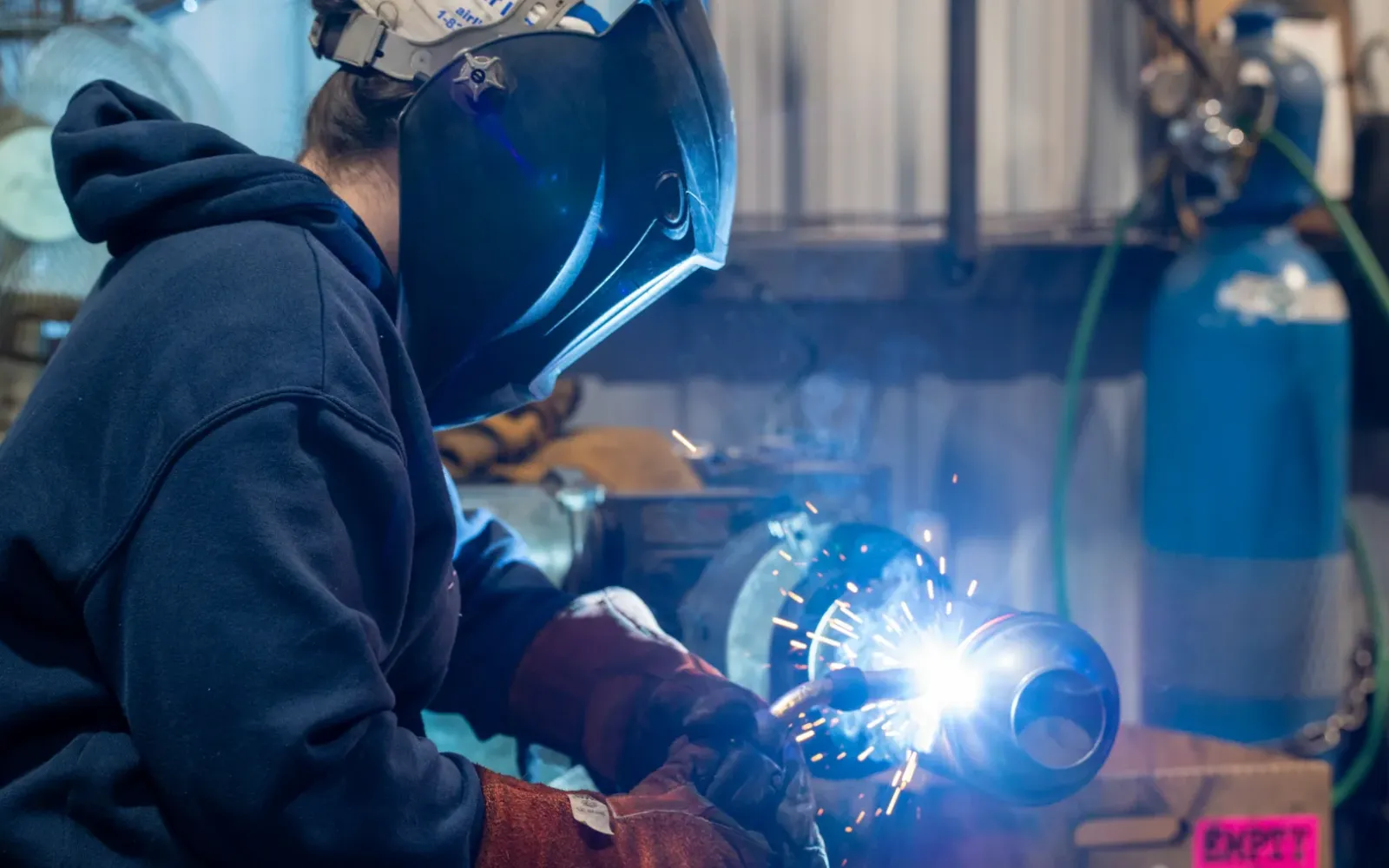

An exhaust parts manufacturer in Saint-Jean-sur-Richelieu, more than 1,000 parts, repair shops and distributors as customers, and a WooCommerce store that kept breaking. Here is how we moved it to a B2B Shopify store without losing anything in Google, and what it looks like today.
We migrated Catalyseur National’s store from WooCommerce to Shopify, in English and French: more than 1,000 product pages, a vehicle selector that searches in real time, prices and terms reserved for repair shops and distributors, and every old address redirected. The site was built to be fast, easy for the team to manage, and easy to read for both Google and AI tools. A few weeks after launch, it is already on the first page of Google for “catalyseur”.
It’s 7:30 a.m. in a repair shop on Montreal’s South Shore. A car is up on the lift, the catalytic converter is done, and the customer wants the car back tonight. The mechanic has no time to flip through a catalogue. He takes out his phone and picks the make, the model, the year, the engine. Matching parts appear as he chooses. He orders, at his shop price.
That’s the whole project, in thirty seconds. The rest is what it took to make those thirty seconds work across more than 1,000 parts.
The starting point: a solid catalogue, a worn-out WooCommerce store
Catalyseur National has been making catalytic converters, manifolds, pipes and exhaust gaskets in Saint-Jean-sur-Richelieu since 2003. Its customers are mostly repair shops and distributors. Busy people who know exactly what they’re looking for.
The old store ran on WooCommerce and had piled up technical problems. The vehicle selector reloaded the page with every choice. Much of the catalogue had been typed in by hand over twenty years, with its abbreviations, missing accents and typos. Details like that bother no one… until the day you migrate.
Before
- WooCommerce store with recurring bugs
- Selector that reloads the page with every choice
- Catalogue typed by hand over twenty years
- Little room for English, where most of the demand is
After
- Stable, fast B2B Shopify store
- Selector that searches in real time
- 1,000+ product pages cleaned up and structured
- Full store in English and French
The brief was simple to state and harder to deliver: change platforms without losing a single sale, or a single position in Google.
1. A vehicle selector that searches as you choose
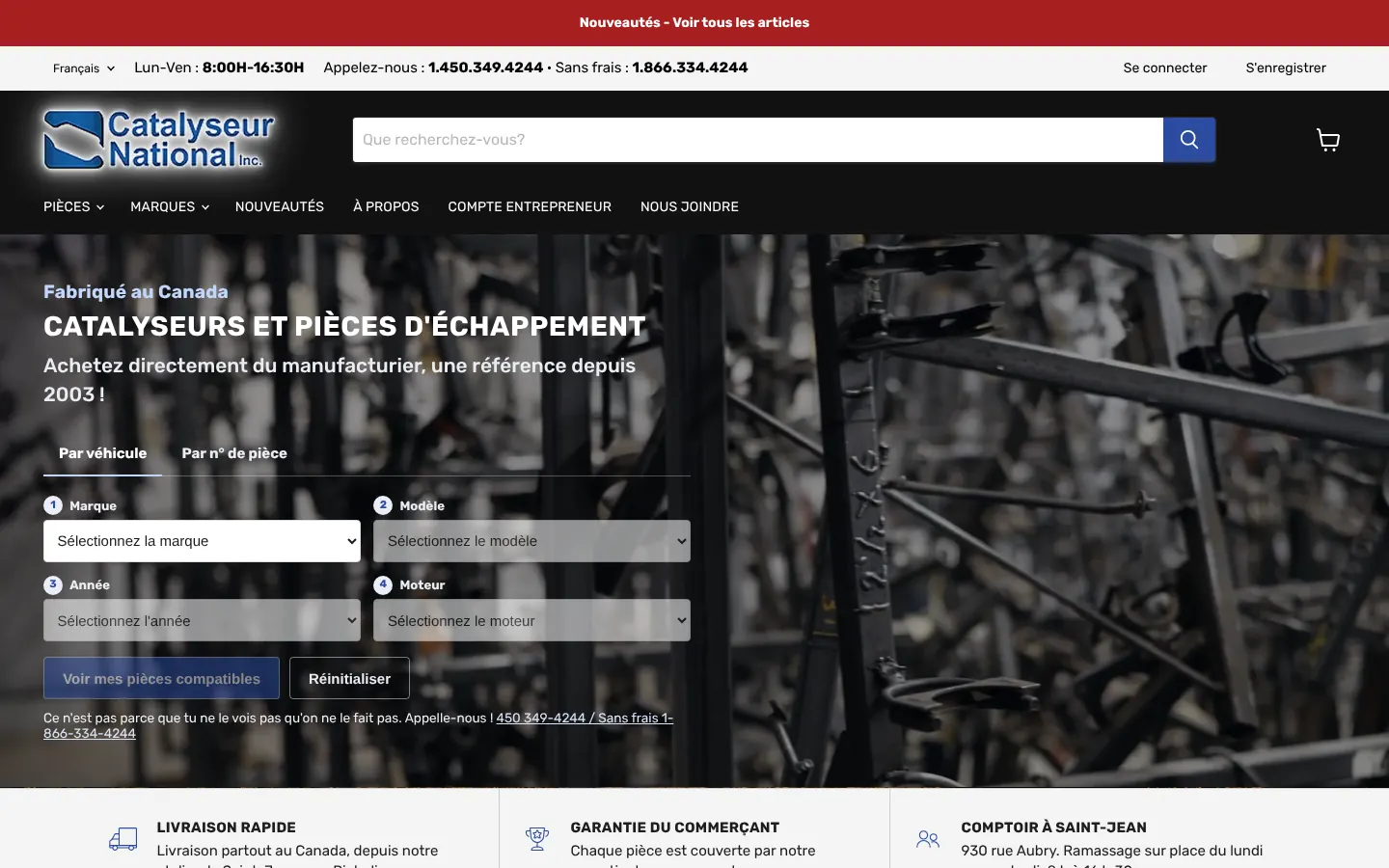
The heart of the site is search by vehicle. We rebuilt it from scratch. Make, model, year and engine are linked, and results update with every choice, without reloading the page. The selector only offers what actually exists: pick Dodge, and you won’t see a C-Max in the list. Anyone who knows their part number can type it in directly.
It also had to stay current without anyone thinking about it. Every morning, an automated task reads the catalogue and updates the selector: a part the team adds in the evening can be found the next day.
2. A B2B Shopify store for repair shops and distributors
We could have set up a Shopify store like any other. It wasn’t the right tool for a manufacturer that sells mostly to professionals. So we built B2B selling without Shopify Plus: three types of business accounts (repair shops, parts resellers and wholesalers), each with its own catalogue and price list, plus net 30 payment terms for those who qualify.
At checkout, buyers choose their carrier at the real rate, based on the weight and box size of their part. Canada Post and Purolator are connected directly. The shop knows what it’s paying before it pays.
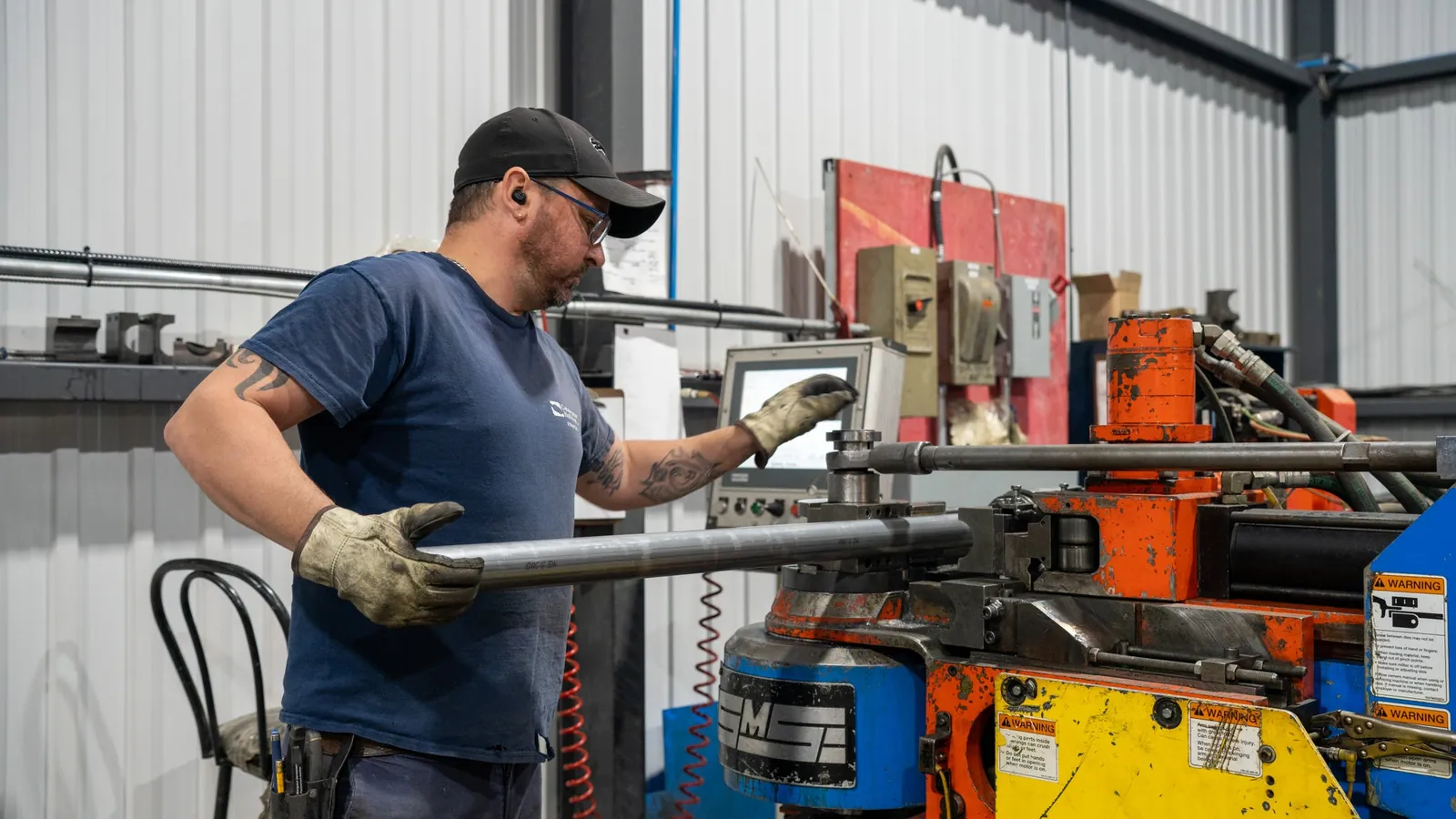
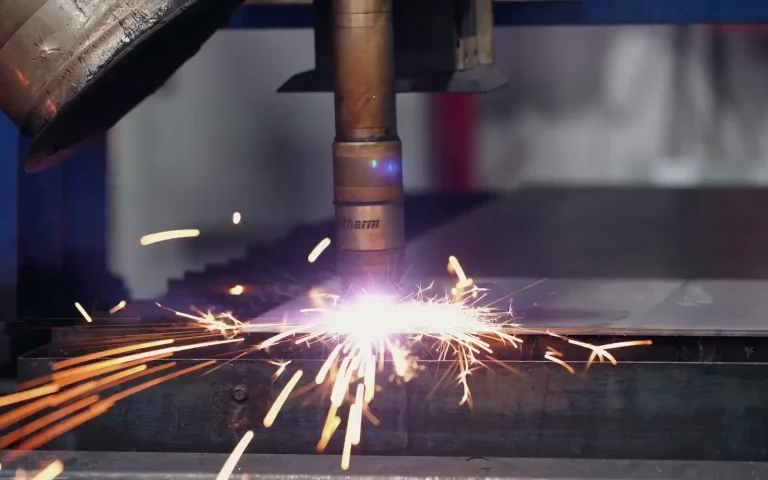
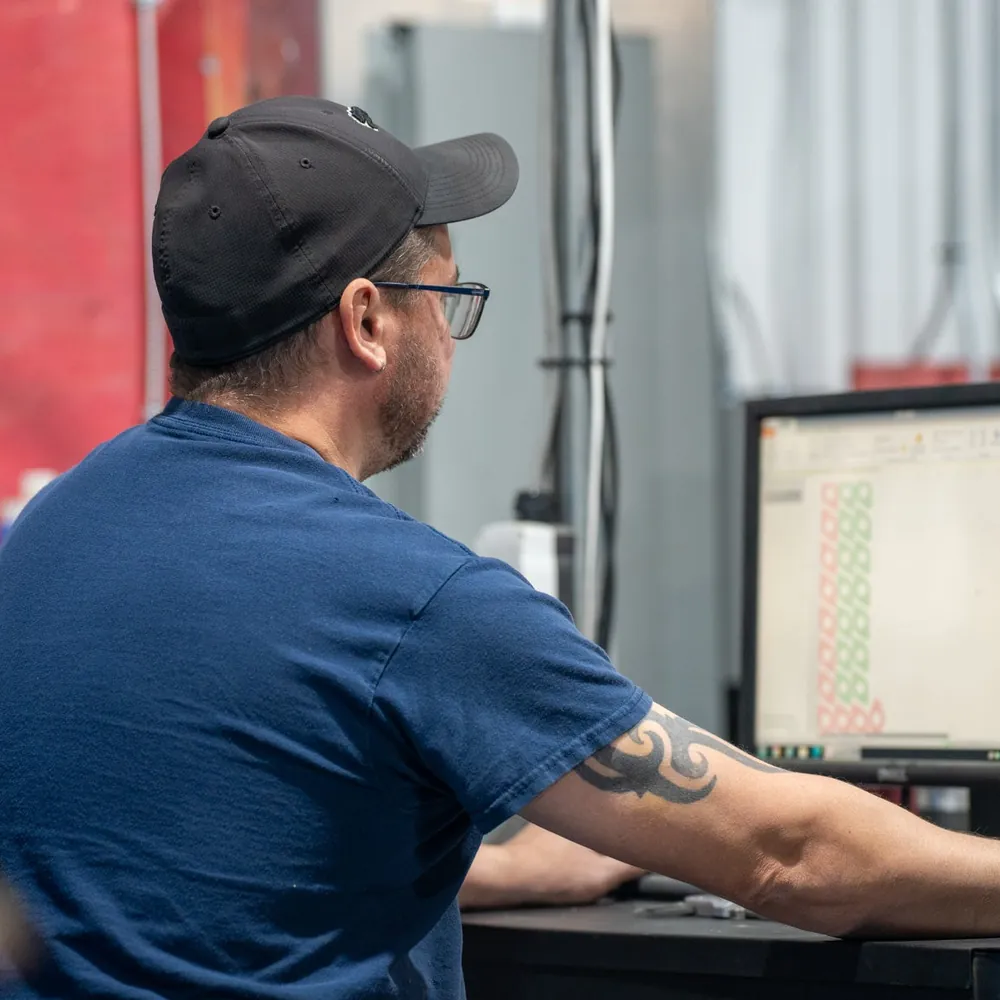
At the Saint-Jean-sur-Richelieu shop: the parts sold online are made here. Photos: Paul, Gamache Média.
3. A WooCommerce to Shopify migration without losing Google rankings
A migration is when many stores lose their rankings. Every old address that leads to an error page is a position gone. So we redirected every old address on the site to its new page. After launch, we went further: digging through web archives, we found 161 old addresses the initial import had missed, and redirected those too.
Then we looked at what people actually search for. In Canada, “catalytic converter” is searched about 22,200 times a month, versus 2,900 for “catalyseur”. The English store isn’t a courtesy translation: it’s where most of the demand is. And that demand almost always takes the same form: a part, a make, a model, a year.
Product titles follow that logic: part type, vehicle and years first, part number next, the Catalyseur National name last. When something has to be cut, we cut the number, never the car.
4. A store Google and AI tools understand
Mechanics don’t only search on Google anymore. Some ask ChatGPT, Gemini or Perplexity where to find a converter for a given vehicle. These tools read pages much the way Google does: they need clear, structured, consistent information.
That’s why every product page spells out what it is: part type, compatible vehicle, years, part number. Every image carries the product’s exact title, in English and French. Both languages are properly linked, so each engine serves the right version to the right person. Nothing is left to guesswork.
5. Fast, and easy for the team to manage
We removed what weighed the site down without adding anything, such as orphan tags left over from the old theme. On mobile, the store scores 100 out of 100 for accessibility in PageSpeed.
Above all, Catalyseur National’s team runs its own store. They add parts, edit descriptions and set a product to draft when it’s no longer available, without calling us. We handed over a training guide and supported them through their first weeks.
6. Real content, shot on site
In the age of AI, anyone can generate a picture of a workshop in seconds. A mechanic sees the difference right away. He recognizes a real pipe bender, real sparks, a real shop floor. And he trusts what he recognizes.
So we went to Saint-Jean-sur-Richelieu. Paul, our content creator, came with his professional gear and captured everything in the same visit: photos, video and drone footage. One visit, and high-value content for the website that can also be used on social media.
Meanwhile, Yannis, our developer, and François, the agency’s co-founder, got to know the business from the inside: its shop, its products, its customers. That visit is where the site’s strategy took shape, from positioning to SEO.
These images work for SEO too. An original photo, found nowhere else on the web, shows Google and AI tools that a real business stands behind the store. A stock or AI-generated image proves nothing of the kind.
Want the same for your business? See our photo and video content creation.
The results, by the numbers
| Metric | Result | Period |
|---|---|---|
| Product pages migrated | More than 1,000 | Launch, November 2026 |
| Ranking for “catalyseur” | First page of Google | November 2026 |
| Old addresses redirected | All of them, including 161 found in web archives | November 2026 |
| Mobile accessibility (PageSpeed) | 100 out of 100 | November 2026 |
| Languages | English and French | Since launch |
To be honest: the store has been live since early November. It’s too early to talk about sales. We’ll add order figures here in a few months, when they mean something.
What changes day to day
Finding the right part used to take patience: a selector that reloaded with every click, results you had to dig for. Today, a repair shop finds its part in seconds, sees its own price, picks its carrier and orders. At the shop, the team adds a part in the evening and finds it in the selector the next morning.
What I would do in your shoes
You sell a catalogue of parts and you’re thinking of switching platforms? Here’s the order I would follow.
- Inventory your addresses. Every page that gets traffic, including the ones everyone forgot. Web archives often remember more than your own site.
- Clean your data before you migrate. A catalogue typed by hand for years carries mistakes that will follow you everywhere: titles, filters, search.
- Build search around your customer’s question. For auto parts, it’s the vehicle. For you, it may be a size, a standard or a machine.
- Don’t treat your second language as a courtesy translation. Look at real search volumes: the biggest demand may be in the other language.
- Show the real thing. One shooting visit at your place is worth more than a bank of AI-generated images, for your customers and for Google.
- Plan who manages what after launch. A store your team can’t manage becomes slow and messy within months.
Frequently asked questions
How long does a WooCommerce to Shopify migration take?
For Catalyseur National, about three months, from setting up the store in August to launch in November 2026, with more than 1,000 product pages, B2B selling and a custom vehicle selector. A small store without B2B selling can move faster.
Can you run a B2B Shopify store without Shopify Plus?
Yes. For Catalyseur National, we set up three types of business accounts (repair shops, parts resellers and wholesalers), each with its own catalogue and price list, plus net 30 payment terms for the businesses that qualify.
Do you lose your search rankings when moving from WooCommerce to Shopify?
Not if every old address redirects to the right new page. We redirected all of Catalyseur National’s old addresses, including 161 forgotten ones we found in web archives after launch. A few weeks later, the store was on the first page of Google for “catalyseur”.
Is a year, make, model selector possible on Shopify?
Yes. Catalyseur National’s selector links make, model, year and engine, searches in real time without reloading the page, and updates itself automatically every morning from the catalogue.
In short
Catalyseur National didn’t need a prettier store. It needed a store that works: one that finds the right part on the first try, shows the right price to the right customer, and loses nothing in Google when it changes platforms.
A busy mechanic doesn’t give a buggy site a second chance. Our job is to make sure he never has to.
Sources
- Catalyseur National online store
- Search volumes: Google Ads Keyword Planner, Canada targeting, October 2026
- Shopify store design at Gamache Média
- AI search visibility (GEO) at Gamache Média