


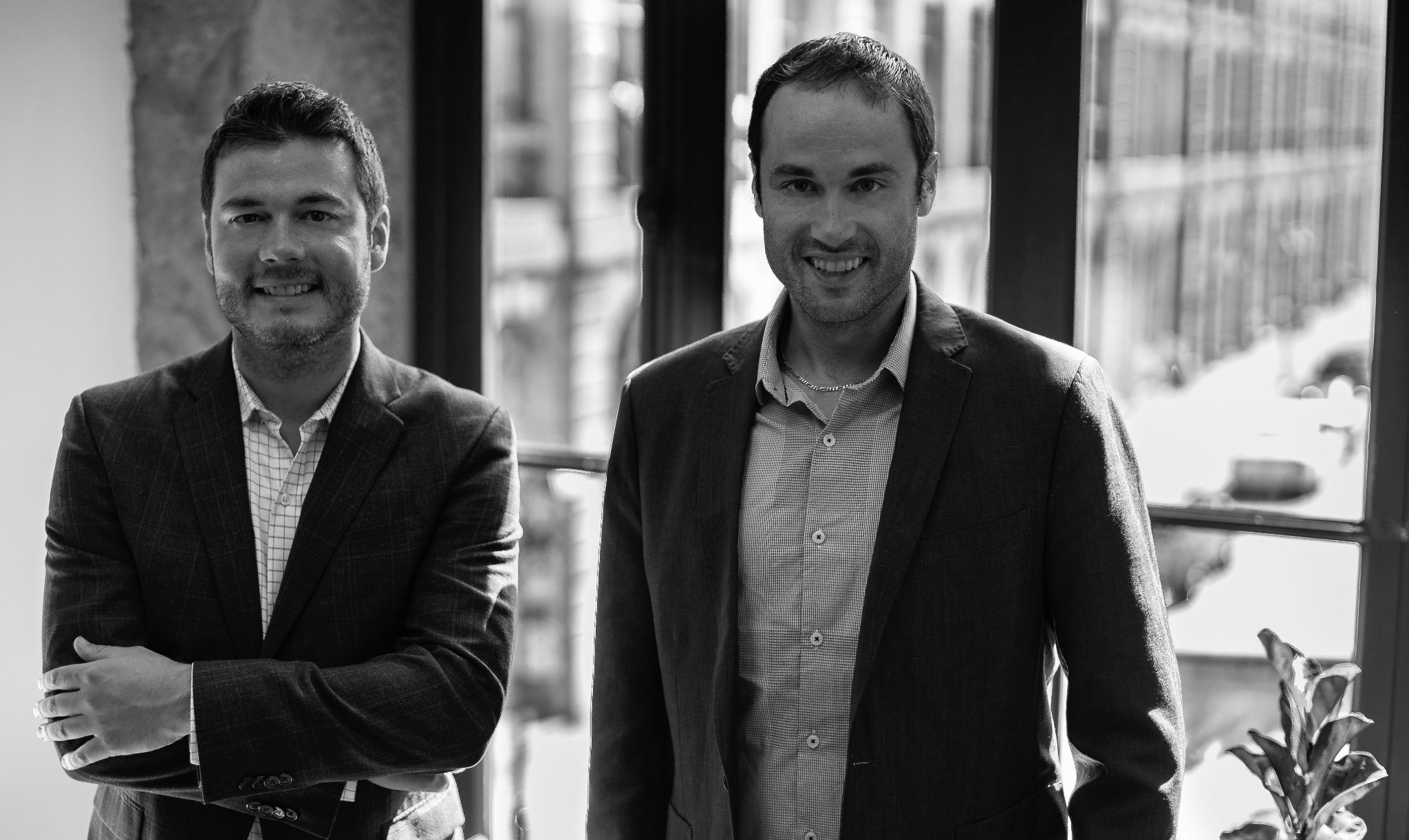



By Olivier Gamache · Verified September 27, 2026 · 7-minute read
Grants, loans and training: the programs to know about to fund an artificial intelligence project in your SME, along with the conditions to check before you start.
Almost every week, an SME owner asks me the same question after a presentation: “This is interesting, but is there any money to help me do it?”
For artificial intelligence, right now, the answer is yes. Several programs can support the assessment, the training or the implementation. The problem is that they’re scattered between Québec City, Ottawa and BDC, they don’t follow the same rules, and some close faster than you’d think.
Here’s the picture as verified on September 27, 2026. The programs below are presented on their organizations’ websites; every application remains subject to eligibility criteria and available budgets.
Why there’s so much money right now
On June 4, Ottawa launched AI for All, its new national artificial intelligence strategy. The stated goal: raise the share of Canadian businesses using AI from 12% to 60% by 2034.
Getting there requires SMEs to get on board, not just large corporations. Hence the growing number of adoption programs. BDC also reports a 24% productivity gap in favour of SMEs that use AI. That’s a statistical finding, not a promise of returns for every project.
Programs open right now
| Program | Assistance offered | Project and key criteria | Timeline |
|---|---|---|---|
| LIFT — Digital and AI · BDC | Loan of $25,000 to $2M; principal deferral of up to 12 months | Digital, data, AI and cybersecurity. Annual revenue of at least $1M, a mandatory BDC plan and qualified Canadian suppliers. | Apply through BDC; subject to approval. |
| LIFT — Productivity and equipment · BDC | Loan of $350,000 to $5M; principal deferral of up to 2 years | Robotics, automation and equipment with a digital component. Annual revenue of at least $5M; eligible sectors and projects to be confirmed. | Apply through BDC; subject to approval. |
| ESSOR — 1A, 1B and 1C · Investissement Québec | Non-repayable contribution: up to 50%. Maximums: 1A $50,000, 1B $20,000, 1C $50,000. | Feasibility, assessment and digital plan, then support to implement it. For 1B and 1C: 250 employees or fewer and revenue of at least $2.5M. | Current framework until March 31, 2027; budget availability to be confirmed. |
| ESSOR — Component 2 · Investissement Québec | Loan or loan guarantee; a non-repayable contribution is possible in some cases. | Investment of at least $100,000 in eligible expenses. Software, equipment or technology transition, including AI; productivity criteria and sectors to be confirmed. | Current framework until March 31, 2027. |
| Regional Artificial Intelligence Initiative · CED | For SMEs: an interest-free repayable contribution, up to 50% of authorized costs. | Adoption, development or commercialization of AI solutions in transformative projects. The 90% rate applies to non-profits, generally as non-repayable assistance. | Accepting applications; initiative in effect until March 31, 2031. |
| Trans Num · ADRIQ | Up to 50% of professional fees, maximum $25,000. | Support from ADRIQ-accredited experts, up to 125 hours. Manufacturing SMEs and value-added services; size criteria to be confirmed with the organization. | Program listed as open; project to be completed before March 31, 2027. |
| Workforce training · Services Québec | Grant and eligible expenses determined after the application is reviewed. | Job-related training, including in new technologies. The rate depends on the project, priorities and available budgets. | Contact the Services Québec office in your region. |
Before you build your budget: confirm your eligibility, the eligible expenses, the permitted start date and the stacking rules with the organization. A program end date doesn’t guarantee that funds will remain available until then.
Grant or loan: not the same logic
People often mix the two up, and it’s not a minor detail.
A grant doesn’t have to be repaid, but it generally covers part of the fees and comes with strict rules. That’s the case for ESSOR’s Component 1 streams or Offensive Tr@ns Num. It mostly pays for the assessment, the planning and the support.
A loan like LIFT has to be repaid. It can fund software, infrastructure and integration, depending on the stream. The principal deferral reaches 12 months for the digital and AI stream; the two years apply to the equipment stream. Qualified Canadian suppliers are part of the program requirements.
Depending on the project and the stacking rules, the right formula can combine both: a grant to plan, a loan to execute. The organization has to confirm the eligible financing structure.
Three mistakes that cost you a grant
1. Spending before you submit the application. For ESSOR, the framework excludes expenses incurred before the application date. Applying doesn’t guarantee funding. Have the timeline confirmed before signing a contract or starting work, so you don’t jeopardize the eligibility of your expenses.
2. Asking for money without a plan. Programs fund structured projects, not intentions. ESSOR’s Component 1C, for example, is for implementing a digital plan that came out of the 1B process and was completed within the previous 24 months. Without a serious assessment up front, the application won’t hold up.
3. Forgetting about training. An AI tool nobody uses brings in nothing. Plan your team’s training from the start: it can be funded separately, and it’s often what makes the difference between a project that sits idle and a profitable one.
A word on the October 5 election
The provincial election is scheduled for October 5, 2026. LIFT and CED are federal; ESSOR and Services Québec’s assistance are provincial. The election alone doesn’t mean these programs will close. The concrete benchmark remains ESSOR’s current framework, which expires on March 31, 2027, along with review times and available budgets. Prepare your application early, without assuming the rules will change.
Where to start
- Start with an assessment. Before talking money, identify where AI can genuinely save you time or win you sales: customer service, quotes, lead management, operations.
- Choose the right program. Depending on the size of the business, the type of expenses and the timeline, one program will be more advantageous than another. Some can be stacked, others can’t.
- Build a solid application. Measurable objectives, a detailed budget, a realistic timeline. That’s what analysts look at first.
At Gamache Média, we support our clients from the assessment through to go-live, and we help them build the funding applications that go with it.
A real case: Sucre Solution
Sucre Solution, a food processing company, wanted to set up a portal where its suppliers and customers log in to submit important information, instead of passing it around by email. We built the ESSOR application with the company, delivered the first phase of the project and prepared the first disbursement request.
The result: part of the project is funded by Investissement Québec, and the Sucre Solution team stayed focused on its operations while we handled the application.
Olivier Gamache, founder of Gamache Média
Official sources
- Prime Minister’s Office — Launch of AI for All, June 4, 2026.
- BDC — Launch of LIFT, April 24, 2026.
- BDC — LIFT: digital transformation and AI and productivity and equipment.
- Investissement Québec — ESSOR, Component 1 and Component 2 (in French).
- Gouvernement du Québec — ESSOR 2025–2027 standards framework, July 2026 version (PDF, in French).
- CED — Regional Artificial Intelligence Initiative.
- ADRIQ — Trans Num (in French).
- Services Québec — Workforce training program (in French).
- Élections Québec — October 5, 2026 provincial election.
Sources consulted on September 27, 2026. The organizations remain responsible for eligibility and for granting assistance.